
Tanzania is often introduced to travelers through its wildlife. The Serengeti, Ngorongoro Crater, Mount Kilimanjaro, and the Great Migration are among the country’s most famous attractions. But Tanzania is not only a destination for wildlife.
It is also a country of remarkable cultural diversity, shaped by centuries of migration, trade, traditional communities, and interaction between different peoples. More than 120 ethnic groups live across Tanzania, with each community contributing its own traditions, languages, food, crafts, music, and way of life.
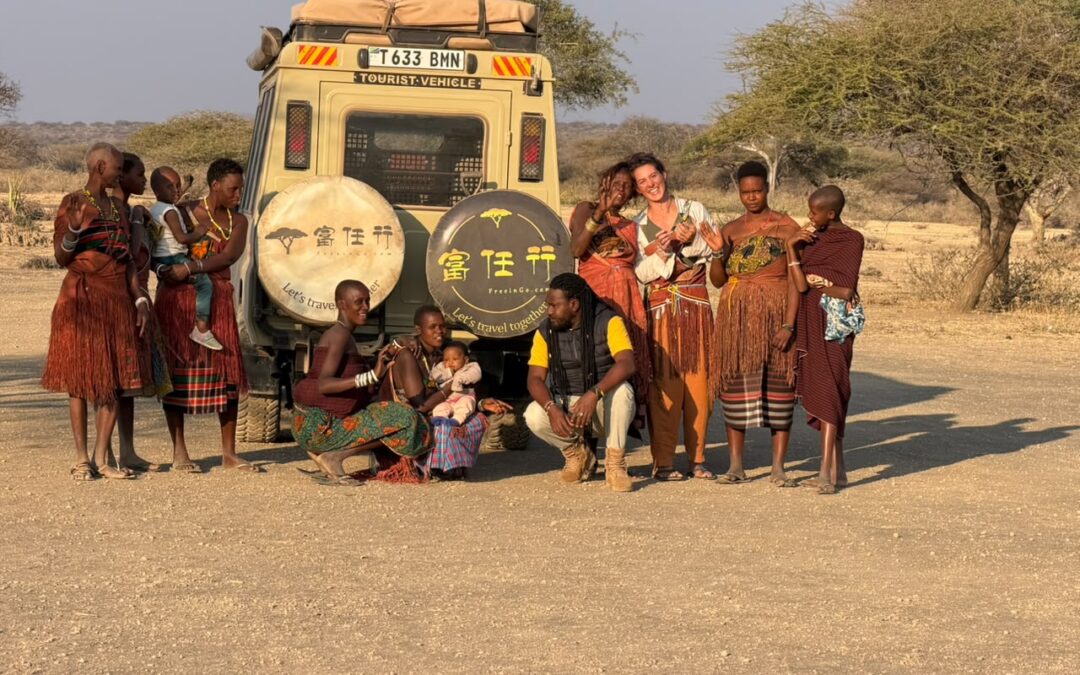
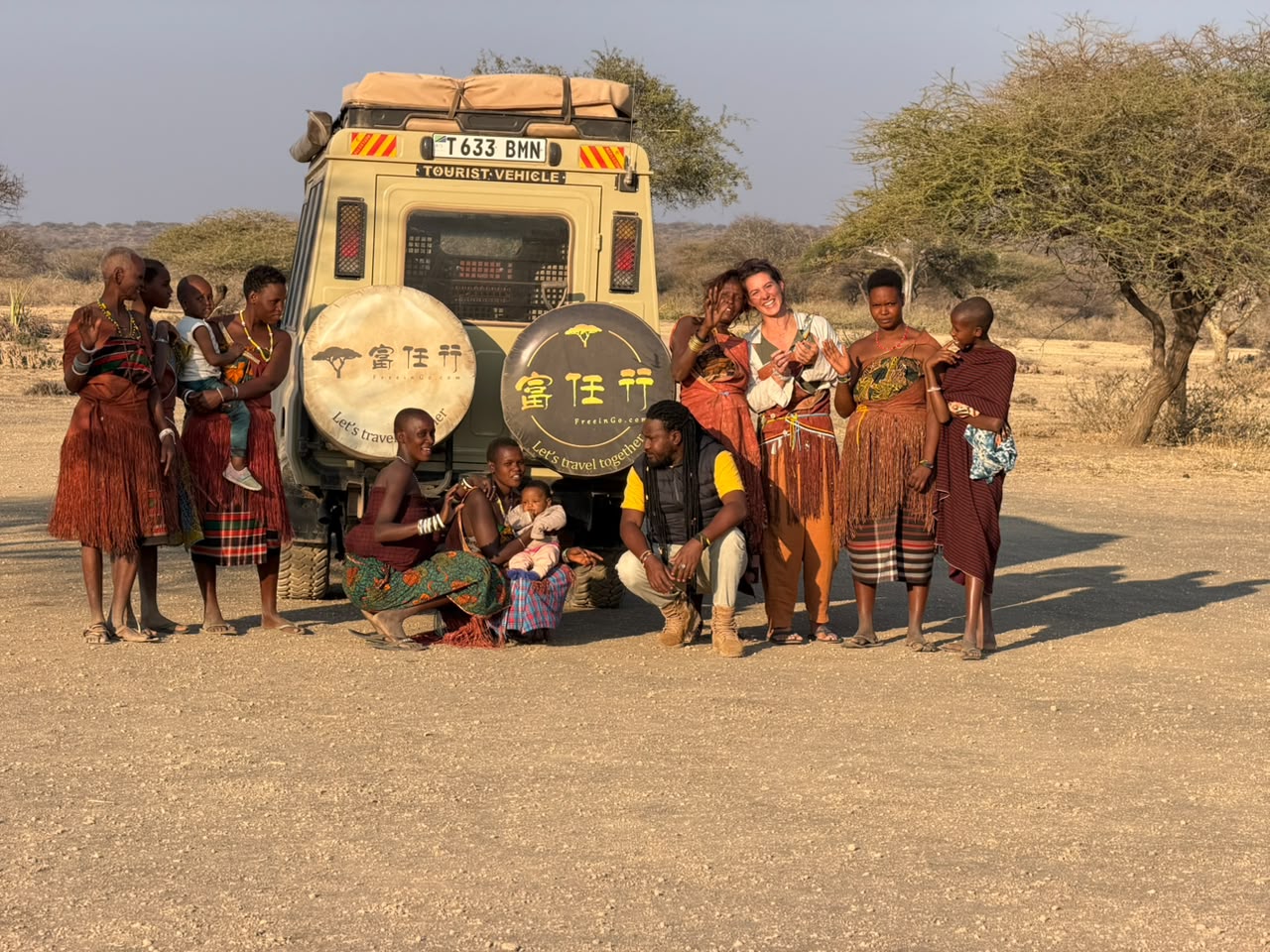
For travelers willing to spend time beyond the safari vehicle, Tanzania offers something much deeper: the opportunity to meet people, understand local traditions, taste traditional food, visit communities, and see how history continues to influence everyday life.
A well-planned Tanzania Cultural Experience can therefore become one of the most memorable parts of a trip to East Africa.
A Brief History of Tanzania and Its People
Understanding Tanzania’s culture begins with understanding its history.
People have lived in the region that is now Tanzania for thousands of years. Over time, different communities migrated into the area, developed agricultural and pastoral societies, and established trading relationships.
The East African coast also played an important role in the country’s history. For centuries, coastal communities traded across the Indian Ocean with merchants from Arabia, Persia, India, and other parts of Africa.
This interaction had a major influence on coastal culture, particularly in Zanzibar and other areas along the Indian Ocean. It contributed to the development of Swahili culture, which remains an important part of Tanzanian identity today.
In the nineteenth and twentieth centuries, the region experienced European colonial rule. Mainland Tanzania was known as Tanganyika, while Zanzibar followed a separate historical path. Tanganyika became independent in 1961, and Tanganyika and Zanzibar united in 1964 to form the United Republic of Tanzania.
Modern Tanzania therefore reflects many layers of history. African traditions remain deeply important, while centuries of trade and cultural exchange can still be seen in language, architecture, food, religion, music, and everyday life.
The People of Tanzania
Tanzania’s cultural diversity is one of the country’s greatest strengths.
There are more than 120 ethnic groups, including the Maasai, Chagga, Sukuma, Hadzabe, Iraqw, Datoga, Makonde, and many others.
These communities are not all the same. Their traditional livelihoods and customs have developed according to where they live.
Some communities have historically depended heavily on agriculture. Others have practiced pastoralism, while some forest and hunter-gatherer communities have developed very different relationships with their surrounding environment.
Today, Tanzanians live both traditional and modern lifestyles.
People work in agriculture, tourism, education, healthcare, business, technology, government, fishing, construction, and many other industries. In towns and cities, modern homes, businesses, universities, shopping centers, and technology are part of everyday life.
At the same time, traditional customs continue to influence family relationships, celebrations, food, clothing, ceremonies, and community life.
This mixture of tradition and modern life is an important part of understanding Tanzania.
Family and Community Life in Tanzania
Family is central to Tanzanian society.
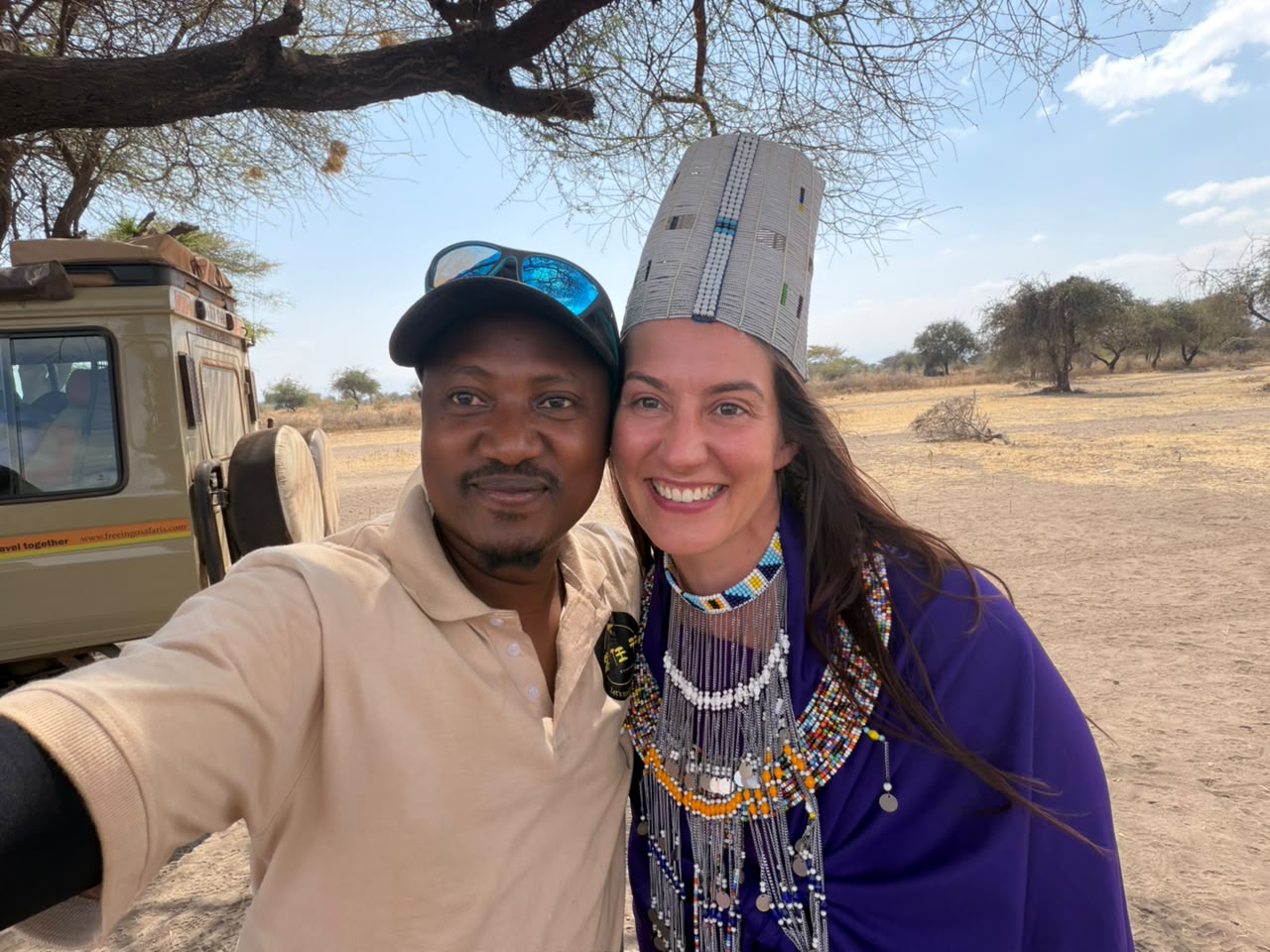
In many communities, relationships between parents, children, grandparents, relatives, and neighbors remain important parts of daily life. Community cooperation is also valued, particularly in rural areas.
Visitors may notice that social interactions can feel more personal than they are accustomed to at home. Greeting people properly, showing respect to elders, and taking time for conversation are important aspects of social life.
In rural communities, daily routines may still be closely connected to agriculture, livestock, water, markets, schools, and the surrounding environment.
A cultural visit gives travelers an opportunity to see these realities for themselves rather than only reading about them.
The Maasai and Their Traditional Way of Life
The Maasai are probably the most internationally recognized ethnic group associated with Tanzania.
They traditionally live across northern Tanzania and southern Kenya and have historically practiced pastoralism, with cattle playing an important role in their economy and cultural identity.
Maasai society has strong community structures and traditions surrounding family, age groups, ceremonies, livestock, and social responsibilities.
Their distinctive clothing, beadwork, songs, and dances are also widely recognized.
However, it is important to understand that the Maasai are not a people frozen in the past.
Many Maasai today combine traditional practices with modern education, employment, technology, healthcare, and other aspects of contemporary life.
A responsible Maasai Village Experience in Tanzania should help visitors understand this balance rather than presenting Maasai culture simply as a tourist attraction.
During a community visit, travelers may have the opportunity to learn about traditional homes, livestock, beadwork, family structures, local history, and daily life.
The best experiences are based on genuine interaction and respect.
Agriculture and Rural Life
Agriculture remains an important part of life for many Tanzanians.
Depending on the region, people grow crops such as maize, rice, beans, bananas, cassava, coffee, vegetables, and other produce.
In the fertile areas around Mount Kilimanjaro, for example, agriculture has long played an important role in local livelihoods. Coffee farming is particularly significant in some communities around the mountain.
In other regions, farming is adapted to different climates and landscapes.
Visiting a rural community can provide insight into where food comes from, how crops are grown, and how agricultural traditions have changed over generations.
For many travelers, this can be more meaningful than simply visiting another tourist attraction.
Food: A Window Into Tanzanian Culture
Food is one of the easiest ways to understand a country.
Tanzanian cuisine has been influenced by local African traditions as well as centuries of interaction with other cultures.
One of the country’s most common foods is ugali, a firm maize-based dish often eaten with vegetables, meat, fish, beans, or sauces.
Rice is also widely eaten, while dishes such as pilau reflect the influence of the Swahili coast and Indian Ocean trade.
Other foods travelers may encounter include chapati, beans, grilled meat, bananas, cassava, sweet potatoes, fresh fruit, and locally prepared vegetables.
On the coast and in Zanzibar, seafood, coconut, spices, and rice feature strongly in local cuisine.
Coffee and tea are also important in different parts of the country.
Instead of only eating at international restaurants and safari lodges, travelers interested in culture can try locally prepared dishes and visit markets where Tanzanians buy everyday ingredients.
Swahili: The Language That Connects Tanzania
Swahili, known locally as Kiswahili, is one of the most important elements of Tanzanian identity.
It is the national language and is widely spoken throughout the country.
Swahili developed along the East African coast and reflects centuries of interaction between African communities and Indian Ocean traders. The language contains vocabulary influenced by Arabic and other languages, while its foundation is deeply rooted in the languages of East Africa.
English is also widely used, particularly in tourism, business, education, and government.
Learning a few Swahili words can make interactions with local people much more enjoyable.
Simple words such as Asante (thank you), Karibu (welcome), Jambo (hello), and Habari (how are you?) are easy for visitors to learn.
More importantly, using the local language shows that you are interested in the country rather than simply passing through it.
Religion and Traditions
Religion is an important part of life for many Tanzanians.
Christianity and Islam are the two largest religious traditions, alongside indigenous beliefs and practices.
Islam has a particularly strong historical and cultural presence along the coast and in Zanzibar, while Christianity is widespread throughout mainland Tanzania.
Religious traditions influence family life, celebrations, dress, food, and community activities.
Visitors should be respectful when entering religious sites or communities. Modest clothing and appropriate behavior are especially important when visiting mosques, churches, or traditional ceremonies.
Music, Dance and Storytelling
Music and dance are deeply connected to Tanzanian culture.
Different communities have their own musical traditions, instruments, dances, and styles of storytelling.
Music can be part of weddings, celebrations, ceremonies, community gatherings, and everyday entertainment.
Traditional storytelling has also played an important role in passing history, knowledge, values, and lessons from one generation to another.
For visitors, experiencing local music or dance can provide a glimpse into the social life of a community that cannot be captured through photographs alone.
Traditional Crafts and Local Art
Tanzania has a strong tradition of handmade crafts.
Depending on the region, visitors may encounter wooden carvings, baskets, textiles, paintings, jewelry, beadwork, and other handmade products.
Maasai beadwork is particularly well known, while the Makonde people are famous for their wood carving traditions.
Purchasing directly from local artisans can be a meaningful way to support communities and take home something connected to the place you visited.
Rather than viewing crafts simply as souvenirs, ask the artisan about the materials, techniques, and meaning behind the work.
You may discover that an apparently simple object has a long cultural history behind it.
Tanzania’s Different Regions Offer Different Cultural Experiences
One of the best things about cultural tourism in Tanzania is that there is no single “Tanzanian culture.”
Culture changes from one region to another.
Northern Tanzania
Northern Tanzania is particularly suitable for travelers interested in Maasai culture, pastoral communities, traditional villages, agriculture, and the relationship between people and wildlife.
This makes northern Tanzania an excellent location for combining safari and cultural activities.
Around Mount Kilimanjaro
The communities around Mount Kilimanjaro have long agricultural traditions, particularly coffee cultivation.
A community or coffee experience can introduce visitors to farming practices, local food, village life, and the relationship between people and the mountain environment.
Central Tanzania
Central Tanzania provides opportunities to understand communities whose lifestyles have developed in very different environments from the northern safari areas.
Coastal Tanzania and Zanzibar
The coast provides a completely different cultural experience.
Swahili culture, Indian Ocean trade, Islamic heritage, architecture, seafood, spices, and centuries of international exchange have shaped coastal communities.
Stone Town in Zanzibar is particularly important for understanding this history.
Tanzania Safari and Cultural Tour: Combining Wildlife With Local Life
Travelers do not have to choose between wildlife and culture.
A Tanzania Safari and Cultural Tour can combine both experiences within the same itinerary.
You could begin with game drives in the Serengeti, continue to the Ngorongoro area, visit a local community, and then spend time learning about traditional lifestyles.
This combination provides a more complete understanding of Tanzania.
Wildlife shows you the country’s extraordinary natural environment.
Cultural experiences introduce you to the people who live alongside these landscapes.
In some areas, communities and conservation are closely connected, making it particularly interesting to learn how local people and wildlife share the same environment.
What Is a Genuine Tanzania Cultural Experience?
A genuine Tanzania Cultural Experience is not simply watching a traditional dance or taking photographs of people in traditional clothing.
It should involve learning and interaction.
It might mean sitting with a local guide and discussing everyday life, visiting a family or community, learning how traditional food is prepared, meeting an artisan, walking through a village, visiting a farm, or understanding how local communities have adapted to modern life.
The most meaningful experiences allow travelers to listen.
Instead of asking only, “What can I see?”, ask:
How do people live here?
What traditions are important to the community?
How has life changed over the years?
What challenges does the community face?
How does tourism affect local people?
These questions can transform a short visit into a genuine cultural experience.
How to Experience Tanzania Respectfully
Cultural tourism should benefit both visitors and local communities.
Before visiting a community, learn a little about local customs. Dress appropriately, especially in conservative or religious areas, and always ask before photographing people.
Do not assume that every person wants to be photographed.
When purchasing crafts, buy directly from local artisans when possible.
Choose tour operators that work with communities rather than simply bringing visitors in for quick visits.
Most importantly, remember that the people you meet are not tourist attractions. They are individuals with their own families, work, ambitions, challenges, and everyday lives.
Respect creates better experiences for everyone.
The Difference Between Seeing Tanzania and Experiencing Tanzania
There is a difference between visiting a country and understanding it.
You can photograph the Serengeti, see elephants in Tarangire, explore the Ngorongoro Crater, and climb Mount Kilimanjaro.
But when you sit down with a local family, learn how traditional food is prepared, talk with a farmer, meet an artisan, listen to stories, or walk through a village with a local guide, you begin to understand another side of Tanzania.
That is what makes cultural tourism so valuable.
Why Add Cultural Experiences to Your Tanzania Holiday?
A cultural experience can add depth to a safari itinerary.
It allows travelers to understand the people behind the landscapes and the communities living around some of Tanzania’s most famous natural attractions.
For families, it can be an educational experience for children.
For photographers, it can offer opportunities to document everyday life and traditional crafts.
For couples, it can add meaningful experiences beyond traditional sightseeing.
And for anyone interested in history, people, food, and local life, it can become one of the most memorable parts of the trip.
Planning Tanzania Cultural Tours
When planning Tanzania Cultural Tours, think about what you genuinely want to experience.
Do you want to meet Maasai communities?
Would you like to learn about coffee farming?
Are you interested in Swahili culture and the history of Zanzibar?
Would you like to visit local markets?
Do you want to learn about traditional food?
Would you prefer a village visit, a community project, or an artisan experience?
Your answers can help create a cultural itinerary that feels personal rather than simply following a standard tourist route.
At Freeingo Safaris, cultural experiences can be incorporated into a wider Tanzania itinerary, allowing travelers to combine wildlife, landscapes, local communities, and cultural traditions.
Frequently Asked Questions
What are the best Tanzania Cultural Tours?
The best tour depends on your interests. Popular options include Maasai community visits, village experiences, coffee tours, local food experiences, traditional crafts, cultural walks, and visits to historical and coastal sites.
What can I expect from a Maasai Village Experience in Tanzania?
A respectful village experience may introduce you to Maasai homes, livestock, traditional crafts, community structures, music, dancing, and everyday life. The exact experience varies between communities.
Can I combine a cultural experience with a safari?
Yes. A Tanzania Safari and Cultural Tour is an excellent way to combine wildlife viewing with opportunities to meet local communities and understand Tanzanian traditions.
Is Tanzania suitable for travelers interested in culture?
Absolutely. Tanzania’s ethnic diversity, history, Swahili heritage, traditional lifestyles, food, crafts, and coastal history make it a fascinating destination for cultural travelers.
What should I wear when visiting Tanzanian communities?
Comfortable and modest clothing is generally recommended. When visiting conservative communities or religious sites, it is particularly important to dress respectfully and follow local guidance.
Experience Tanzania Beyond the Wildlife
Tanzania’s wildlife may be what first brings you to the country, but its people and culture may be what you remember most.
From the pastoral traditions of the Maasai to the agricultural communities around Mount Kilimanjaro, from traditional crafts and local food to the Swahili heritage of the coast, Tanzania offers countless opportunities to look beyond the typical safari experience.
The most rewarding journey is not simply about seeing a different country.
It is about taking the time to understand it.
If you are planning a trip and want to combine wildlife with authentic cultural experiences, explore Freeingo Safaris’ Tanzania Cultural Experience options and create an itinerary that brings together Tanzania’s wildlife, history, people, and traditions.
Discover Tanzania not only as a safari destination, but as a country of people, stories, traditions, and communities.