
Tanzania Culture
Welcome to Tanzania
Tanzania Culture & Traditional
Tanzania Culture! Here, we delve into the rich and diverse cultural tapestry that makes Tanzania an extraordinary destination. Tanzania is renowned for its vibrant traditions, languages, and customs, all shaped by the over 120 ethnic groups that call Tanzania home. Each group contributes its unique practices, art, music, and culinary delights, creating a mosaic of cultural experiences that are both captivating and enriching. For travelers looking for an authentic Tanzania Cultural Experience, exploring these traditions offers a wonderful opportunity to connect with local communities and discover the country’s fascinating heritage.
Join us as we explore what makes Tanzania so unique and fascinating. From the ancient traditions of the Hadzabe tribe to the colorful ceremonies of the Maasai, and the rhythmic dances of the Sukuma, you’ll discover a land where history and modernity blend seamlessly. Whether you’re interested in the intricate wood carvings of the Makonde, the spicy flavors of Zanzibari cuisine, or the harmonious coexistence of diverse religious practices, Tanzania offers a cultural journey like no other. Our Tanzania Cultural Tours allow you to experience these traditions more closely, while a Tanzania Safari and Cultural Tour can combine wildlife adventures with meaningful cultural encounters. A Maasai Village Experience in Tanzania is another memorable way to learn about traditional lifestyles, customs, crafts, music, and community life.
Tanzania Cultural Tours
Tanzania Cultural Tours are designed for travelers who want to connect with the people, traditions, and communities that make the country unique. These experiences can be combined with wildlife safaris, mountain trekking, or beach holidays to create a more complete Tanzanian adventure.
A cultural tour may include visits to local villages, traditional markets, community projects, cultural centers, and artisan workshops. Depending on your interests and itinerary, you may have opportunities to learn about traditional food preparation, local farming practices, music, dance, crafts, and everyday community life.
Rather than simply observing from a distance, responsible cultural tourism encourages respectful interaction between visitors and local communities. It creates opportunities for travelers to learn directly from local people while supporting community-based tourism initiatives.
Tanzania Tribes and Language
Some Ethnic Groups in Tanzania
Tanzania’s cultural landscape is shaped by over 120 ethnic groups, each with its own unique traditions, customs, and languages. Here are some of the most prominent ethnic groups, including the fascinating Hadzabe tribe:
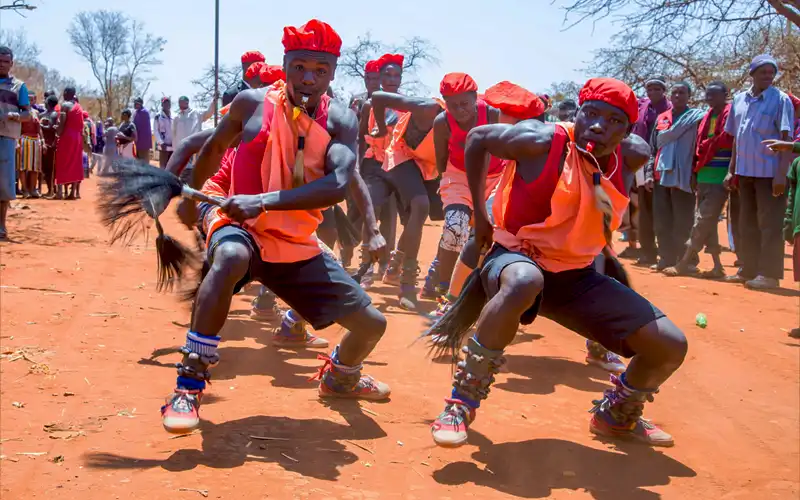
Sukuma Tribe
- Population: Approximately 8 million.
- Location: Primarily in the northwest around Lake Victoria.
- Culture: The Sukuma are known for their agricultural expertise, especially in cultivating crops like cotton, rice, and maize. They have rich traditions in music and dance, with the Bugobogobo dance being particularly famous. The Sukuma also engage in traditional wrestling and drumming ceremonies.
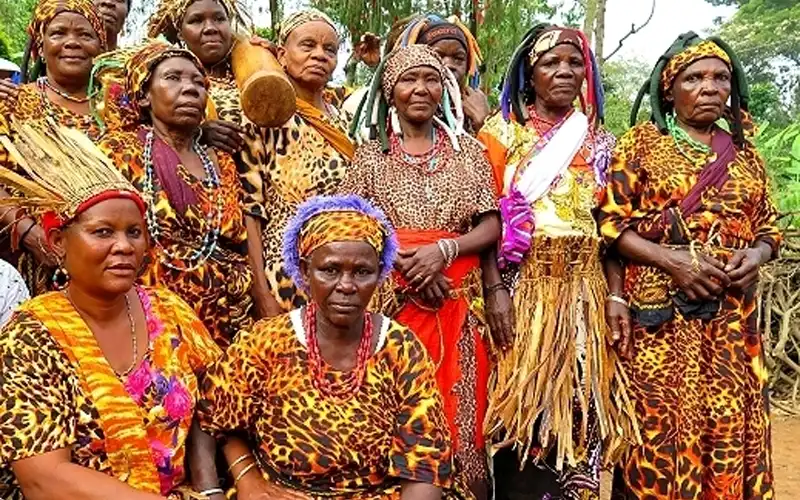
Chaga Tribe
- Population: Approximately 2 million.
- Location: Slopes of Mount Kilimanjaro.
- Culture: The Chagga are skilled farmers, known for their intensive cultivation of bananas, coffee, and maize. They have a strong cultural heritage with distinct rites of passage, and their traditional music and dances are integral to their social ceremonies.
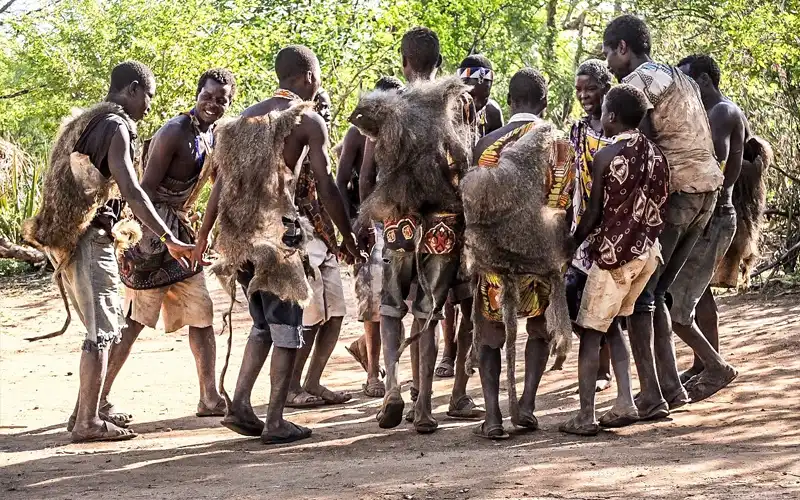
Hadzabe Tribe
- Population: Approximately 1,300.
- Location: Central Tanzania, near Lake Eyasi.
- Culture: The Hadzabe are one of the last hunter-gatherer tribes in Africa. They live a nomadic lifestyle, relying on hunting game and gathering wild fruits, honey, and tubers. The Hadzabe have a profound knowledge of the environment and sustainable living practices. Their language is unique, featuring click sounds, and their social structure is egalitarian, with decisions made collectively. The Hadzabe’s traditional practices, including their hunting methods with bows and arrows and the use of herbal medicines, have remained largely unchanged for thousands of years.
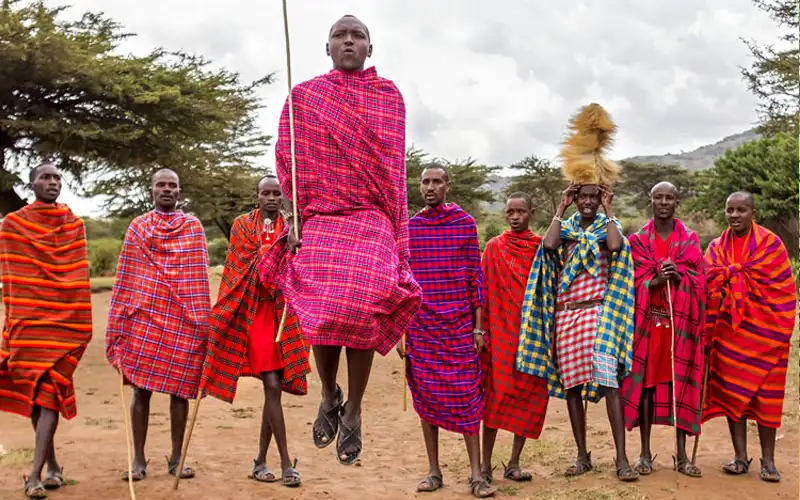
Maasai Trib
- Population: Approximately 800,000.
- Location: Northern Tanzania and southern Kenya.
- Culture: The Maasai are iconic for their semi-nomadic lifestyle, deeply rooted in cattle herding, which is central to their economy and social structure. They are famous for their colorful shukas (red cloaks), intricate beadwork, and the Eunoto ceremony, marking the transition of warriors to elder status. The Maasai maintain many of their traditional practices and have a profound connection to their land and livestock.
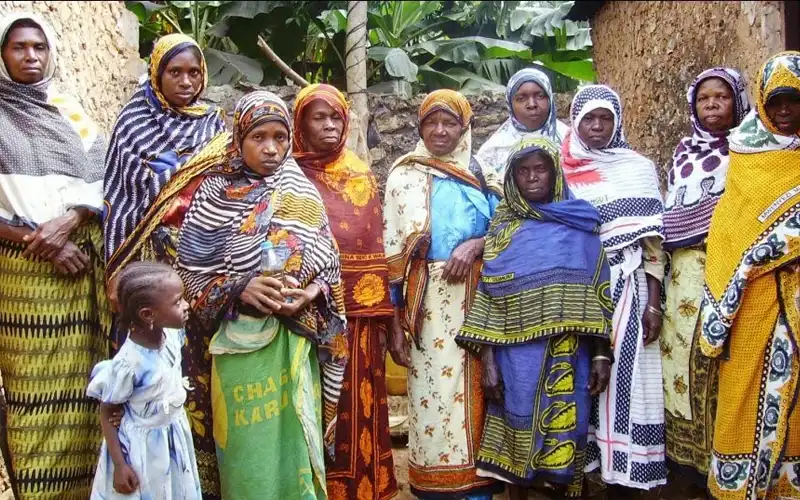
Zaramo Tribe
- Population: Approximately 700,000.
- Location: Coastal areas, especially around Dar es Salaam.
- Culture: The Zaramo people are known for their rich cultural traditions, including music, dance, and art. They practice mixed agriculture and fishing, and their coastal cuisine features a variety of seafood dishes. The Zaramo have a vibrant tradition of storytelling and proverbs, often reflected in their daily lives and social interactions.
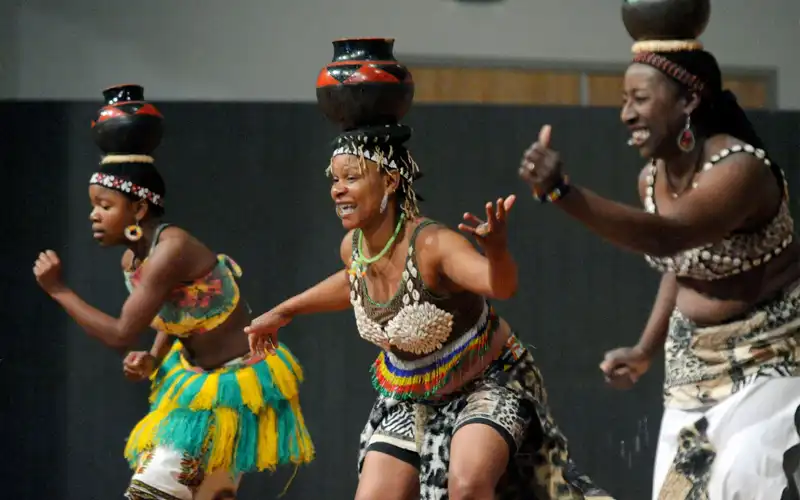
Haya Tribe
- Population: Approximately 1.2 million.
- Location: Northwest, near Lake Victoria.
- Culture: The Haya are known for their banana and coffee plantations. They have a rich history of ironworking and are known for their distinctive pottery.
Tanzania Culture
Cultural Practices and Traditions
Each ethnic group in Tanzania contributes to the country’s cultural richness through its unique traditions, festivals, and social structures. Community life often revolves around ceremonies that mark significant life events such as births, marriages, and initiations.
- Music and Dance: Integral to social and religious ceremonies. Different groups have distinct styles of music and dance.
- Art and Craft: Many ethnic groups are renowned for their craftsmanship, such as the Makonde with their intricate wood carvings.
- Cuisine: Traditional foods vary by region but often include staples like ugali (maize porridge), nyama choma (grilled meat), and a variety of stews and vegetable dishes.
Tanzania’s ethnic diversity is one of its greatest strengths, offering a vibrant mosaic of cultures, languages, and traditions. Whether you’re exploring the agricultural expertise of the Sukuma, the mountaineering Chagga, the iconic Maasai, the coastal Zaramo, or the ancient ways of the Hadzabe, Tanzania promises an enriching cultural experience. Immerse yourself in the heart of Tanzania’s cultural heritage and discover the unique stories and traditions that make this country truly special.
.
Destinations
Tanzania Popular Tour Destinations
Top Pick Tanzania Tour Packages For You
Tanzania boasts Africa’s renowned parks, promising unforgettable luxury safaris. With expertly crafted itineraries, immerse yourself in the finest national parks for a tailored wildlife adventure.
Tanzania Cultural Experience
A Tanzania Cultural Experience allows visitors to discover a different side of the country beyond its national parks and spectacular landscapes. Meeting local people and learning about their traditions can add a meaningful dimension to your Tanzania holiday.
The Maasai are among Tanzania’s best-known communities, recognized for their distinctive clothing, cultural traditions, traditional dances, and strong connection to pastoral life. A visit to a Maasai community can provide insight into traditional homes, livestock keeping, ceremonies, crafts, and aspects of daily life.
The Hadzabe people offer another fascinating cultural experience. Living around the Lake Eyasi region, the Hadzabe have maintained many traditional practices and a close relationship with their natural environment. Visitors may learn about traditional hunting and gathering knowledge, local plants, and the community’s way of life through carefully arranged cultural visits.
The Datoga people, also found around the Lake Eyasi area, are known for their metalworking and traditional craftsmanship. Meeting local artisans can provide an opportunity to learn how traditional skills are passed from one generation to another.
Tanzania Safari and Cultural Tour
Combining wildlife and culture creates a well-rounded travel experience. A Tanzania Safari and Cultural Tour allows you to explore famous national parks while also discovering the people, traditions, and communities surrounding these remarkable landscapes.
You can begin your journey with game drives in destinations such as Serengeti National Park, Ngorongoro Conservation Area, Tarangire National Park, or Lake Manyara National Park. After experiencing Tanzania’s wildlife, your itinerary can continue with cultural visits that introduce you to local communities and traditional ways of life.
This combination is particularly appealing to travelers who want more than wildlife viewing. Instead of focusing only on animals and landscapes, you can learn how people have lived alongside Tanzania’s natural environment for generations.
A Tanzania Safari and Cultural Tour can also be customized according to the length of your holiday and your interests. Whether you prefer a short cultural visit during a safari or a dedicated cultural itinerary, there are different ways to experience Tanzania’s heritage
Discover Tanzania’s Diverse Ethnic Communities
One of the most remarkable aspects of Tanzania Culture is its diversity. The country is home to more than 120 ethnic groups, each with its own traditions, languages, artistic expressions, and social customs.
The Sukuma are Tanzania’s largest ethnic group and are particularly associated with the Lake Victoria region. Their traditional dances, music, and cultural celebrations are an important part of Tanzania’s heritage.
The Makonde are renowned for their exceptional wood carving traditions. Their artistic work often reflects cultural stories, family relationships, spiritual themes, and everyday life. Visitors interested in traditional African art can learn about these techniques and explore locally produced crafts.
Around Lake Eyasi, the Hadzabe and Datoga communities provide opportunities to discover distinctive lifestyles and traditional knowledge. These experiences can be particularly valuable for travelers interested in anthropology, history, nature, and community-based tourism.
Traditional Food and Tanzanian Cuisine
Food is an important part of every Tanzania Cultural Experience. Tanzanian cuisine reflects the country’s diverse communities and the influence of African, Indian, Arab, and coastal traditions.
Staple foods such as ugali, rice, beans, vegetables, and meat are common across many parts of the country, while coastal areas are known for dishes influenced by Swahili and Indian Ocean traditions. Zanzibar is particularly famous for its flavorful spices, seafood, coconut-based dishes, and aromatic meals.
Exploring local food markets and tasting traditional dishes can provide another way to connect with Tanzanian culture. Travelers can discover how locally available ingredients and centuries of cultural exchange have shaped the country’s cuisine.